
Home » Our Service » Ultrasonic Welding
OUR SERVICEs
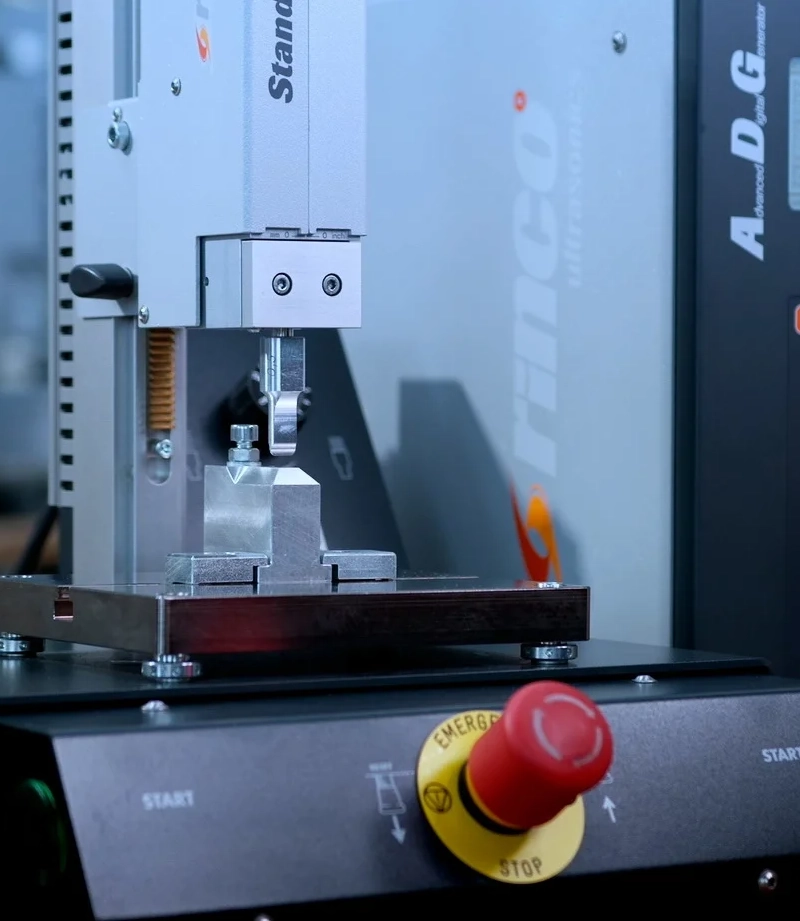
Ultrasonic plastic welding bond thermoplastics using localized heat generated by high-frequency mechanical motion (20-40 kHz). This rapid, energy-efficient process creates hermetic seals for medical devices, automotive components, and consumer electronics without adhesives or consumables.
From the singing of birds to the wind Whispering is more than just what we can hear with our ears. It come out from the mechanical vibration of bodies. This doesn’t only happen in the air, but in every elastic medium, i.e. gases, liquids, and solids.
Ultrasonics are an example of the fact that humans cannot hear every type of sound. High-frequency sound waves are widely used in industry and medicine, and these cannot be heard.
Sound waves are Sound waves are defined and categorized by their frequency (number of waves per second). For example, ultrasonics frequency typicality range from 20 kHz to 1 GHz. Ultrasonic welding are widely applied to industrial field, using frequencies from 20 kHz to 70 kHz. The lowest range of this can still just be heard by human ears. This is because audible sound (for humans at least) has a range of frequency only from 16 Hz to 20 kHz. At most, oscillations going above this are perceived as vibrations.
086 (0755) 2828 2776

Encapsulating and potting PCB assemblies requires a highly experienced expertise to ensure consistent and repeatable results. It must be paid special attention to the procedures to ensure that that resin is applied at the correct temperature, and that correct resin-to-hardener ratio is used to achieve the desired results. Coatings material must also be properly mixed and dispensed to produce a smooth, even coating. Coatings must also be mixed and dispensed properly so as to produce a smooth, even coating.


Ultrasonic Welding
086 (0755) 2828 2776
The best results for you
Don’t hesitate, contact us to start discussing your projects. We prioritize your inquiries and aim to respond within 12 hours.
086 (0755) 2828 2776
Ultrasonic Welding
Not found what you’re looking for?
086 (0755) 2828 2776
086 (0755) 2828 2776
Don’t hesitate, contact us to start discussing your projects. We prioritize your inquiries and aim to respond within 12 hours.
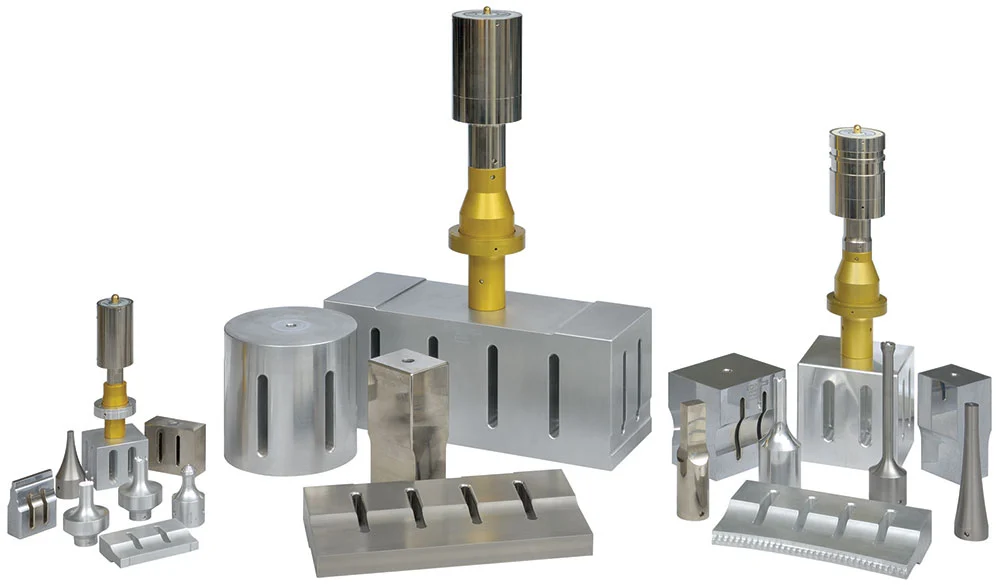
Faster than the human eyes can perceive, the welding tool vibrates with an amplitude between 5 and 50 μm. To get the required power, the mechanical vibration generated in the converter is changed by the amplitude transformer.
Ultrasonic Welding
Tight, sturdy, robust and visually appealing-to generate the perfect weld joint, the welding tool, material, and welding process must be well coordinated with each other. The Die settings are very critical: The right process parameters ensure optimal and reproducible results.
086 (0755) 2828 2776
Generally, most thermoplastic materials (plastics which can be shaped when heating is applied) can be welded with ultrasonics process. The harder the material, the better. In addition to plastics, different nonferrous metals such as aluminum, nickel, brass, and copper are also suitable for ultrasonic welding
Whether industrial remote controllers, print cartridges or children’s toys,-many of our daily objects are made of plastic. To bond the parts safely, firmly and (if required) tightly together, they are sealed and joined using ultrasonic assembly.
Food packing with ultrasonic process, the cheese can stay fresh and coffee will not lose its aroma. Thanks to ultrasonic sealing, food packaging is tightly encapsulated, and a saving is made on packaging material.Compared with traditional packing, this method protects the environment, and less food is wasted.
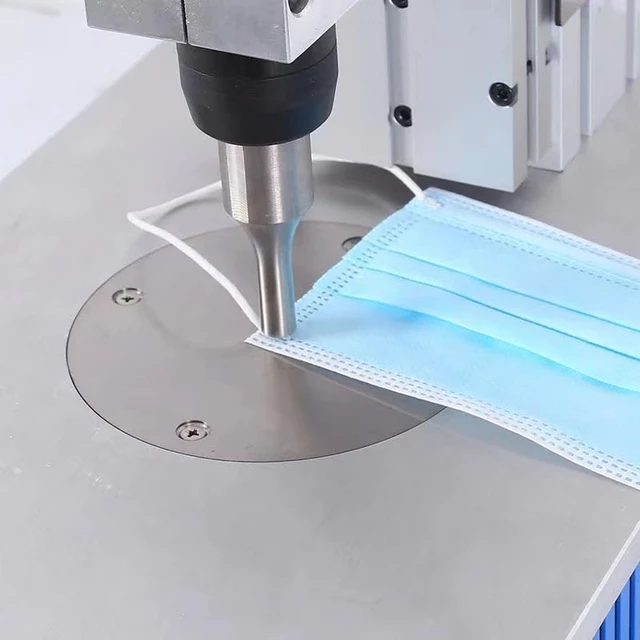
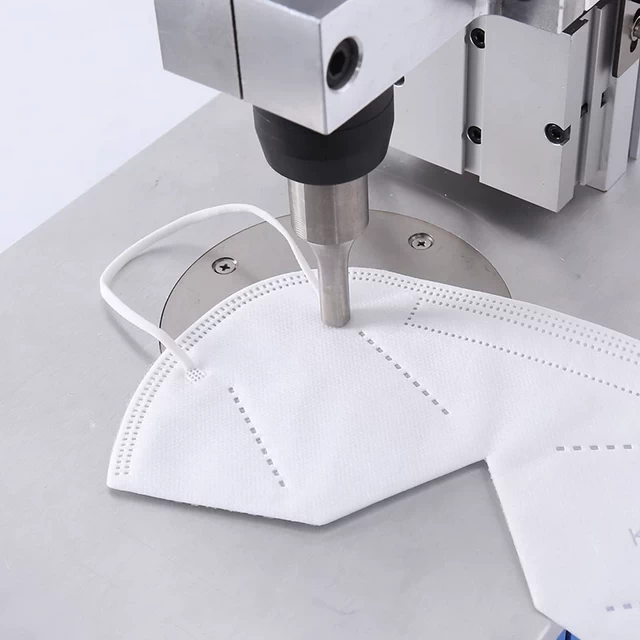
The using of ultrasonics in the field of non-woven fabrics is very effective: No heat-up phase, no use of adhesives, the cleaning intervals of the machines are shorted. Popular products from the business Unit NONWOVENS are surgical masks, diapers, cotton pads or various (feminine) hygiene products. Ultrasonics can be used to join, perforate, emboss or make precise cuts in nonwovens.
In the consumer and automotive products industries, the demand for lithium-ion batteries and plug-and-socket connections for cables has increased rapidly. Nonferrous metals such as aluminum and copper can be joined together using ultrasonic welding. Highest welding quality: Process visualization and process stability ensure product safety and reliability.