
What Are RF and Microwave PCBs? Design, Materials, and Key Applications
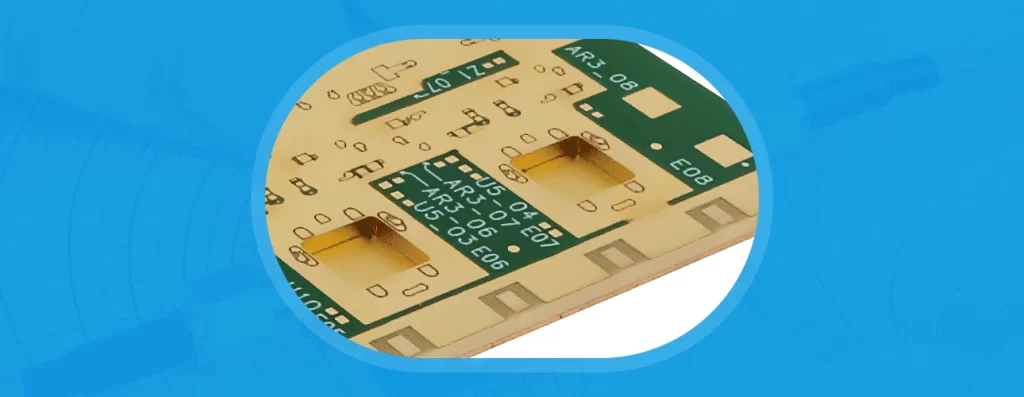
RF and microwave printed circuit boards are more and more applied to some advanced remote communication systems such as aerospace, radars, wireless communications, etc.
What Is a Rigid-Flex PCB? Benefits, Design Tips, and Applications
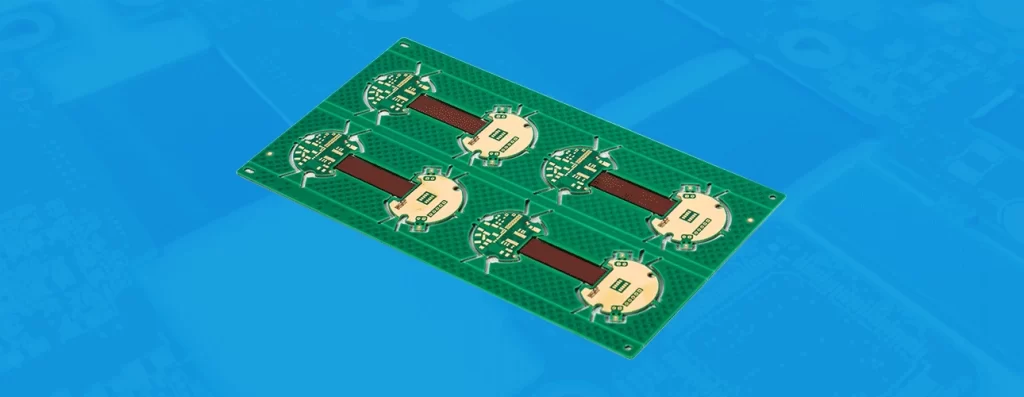
With rapidly developing and upgrading in electronics devices, more and more rigid-flex printed circuit boards are applied to new generation electronics devices such as mobile phones,computers, advanced displays, medical products, etc.
Meeting the Demands of 5G: A Guide to High-Frequency PCB Materials and Design
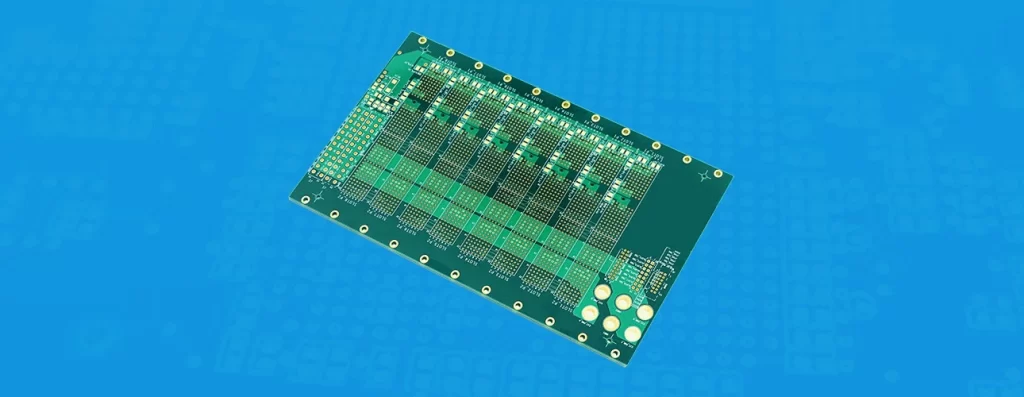
5G means the 5th generation mobile network. It is a new global wireless standard after 4G networks with offering higher upload and download speeds, more consistent connections, and improved capacity.
Single Sided Printed Circuit Boards: A Guide to Design, Advantages, and Applications
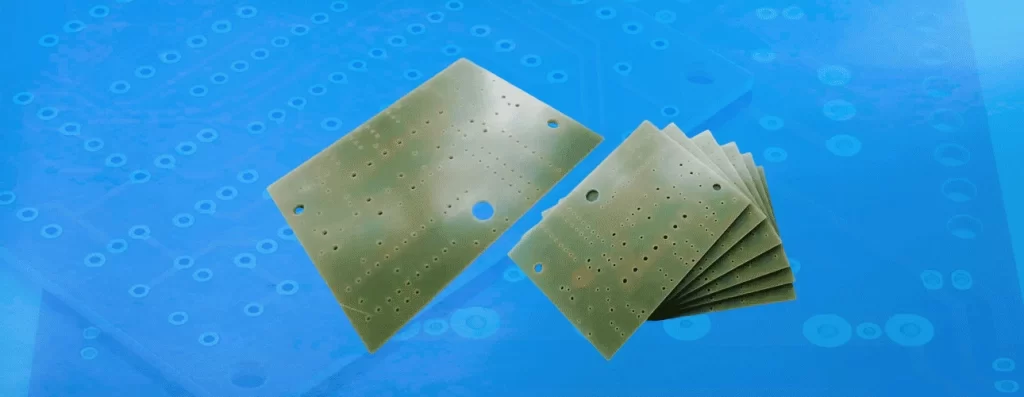
Single sided PCB, as known as one layer circuit board, which is a printed circuit board with only one copper layer of conductive material above the substrate. And also the electronic components mounted on one side of the board and the conductive track connected on the other side. So, it is called the one layer printed circuit board,..
How to Choose the Right PCB Surface Finish: An Ultimate Guide
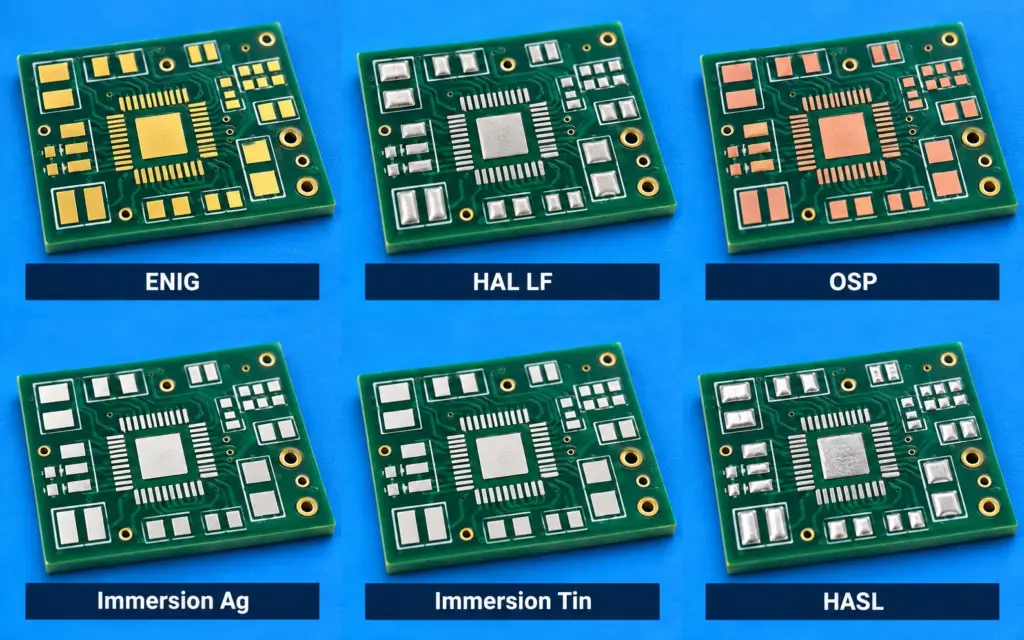
The choice of PCB surface treatment process depends mainly on the type of component that is finally assembled. And the surface treatment process will affect the production, assembly and end use of the PCB.
Back Drilling vs. Controlled Depth Drilling in PCBs: A Comprehensive Guide

PCB Back Drilling is one of the special controlled depth drilling (NPTH) in the loop of PCB manufacturing process. Normally, there will be various challenges in engineering and production when it comes to PCB design and printed circuit board manufacturing and one of them is how to ensure high performance of retaining signal integrity.