
Glass Fiber Weave Effect on High-Speed Differential Pair
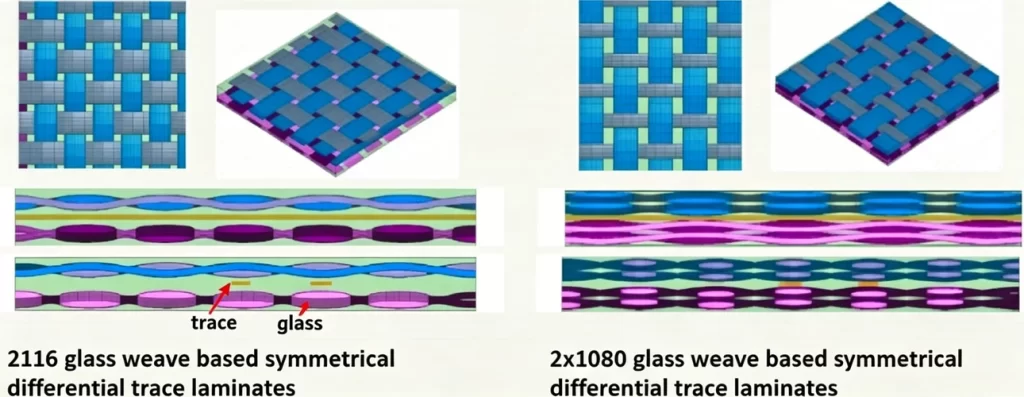
The glass fiber weave effect, also known as weave skew, is a critical signal integrity challenge in high-speed PCB design that occurs when differential pair traces experience uneven propagation delays due to dielectric constant variations between fiberglass strands and resin. As data rates climb into multi-gigabit ranges (PCIe Gen 5, USB4, 100G Ethernet), even picosecond-level […]
PCB Thermal Management: Techniques for High-Power & High-Density Designs
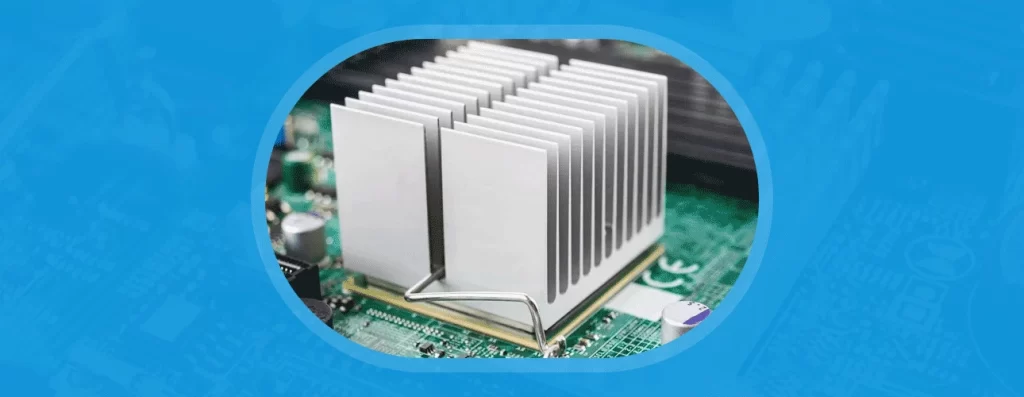
Today, with the increasing precision and powerful functionality of electronic devices, the thermal management is becoming more and more important, which normal
How to Design PCBs for Easy Assembly: Avoid Common DFM Mistakes
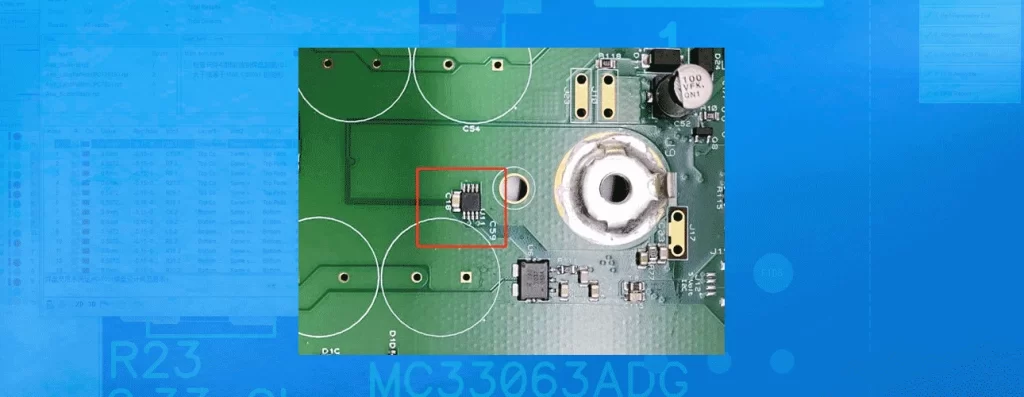
A good PCB assembly quality determined by multiple-factors, PCB layout and design is a key factor of all of them. This article present some critical factors tha
From Plastic Enclosure to PCB: Full-Scale Electronics Manufacturing Solutions
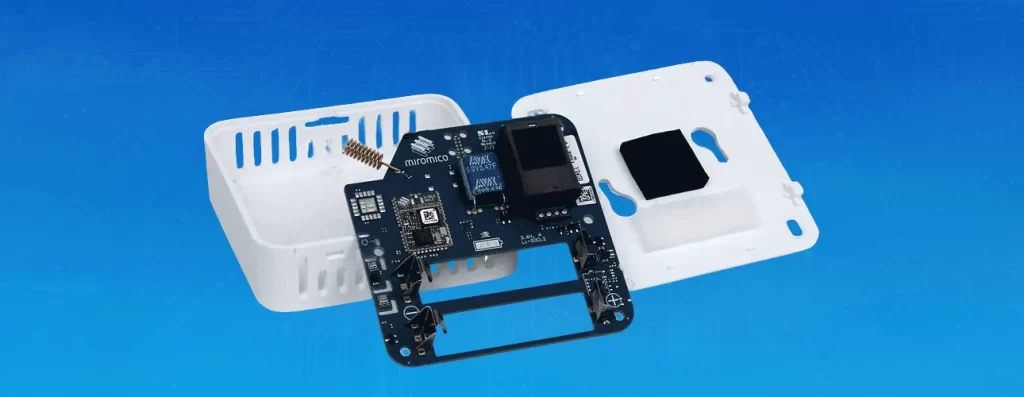
Mold injection is an essential
process to the full electronics manufacturing and box-building assembly provider. WELLER is one stop solution provider to global
Avoid Costly SMT Errors: Essential PCB Layout Guidelines for DFM Success
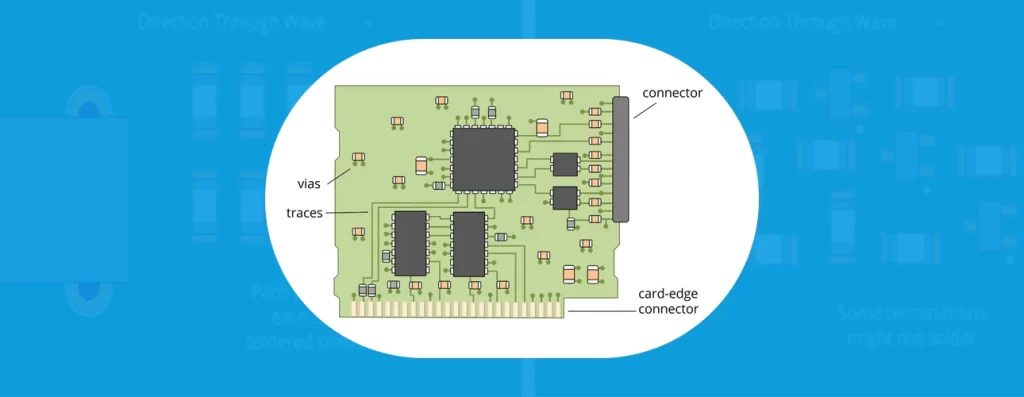
The best optimized PCB layout work will improve the yield in PCB assembly process. The considerations on this article will provide the positive references to PCB layout engineer to generate an effective job.
What Is CTI in PCB Base Materials? Meaning and Importance Explained
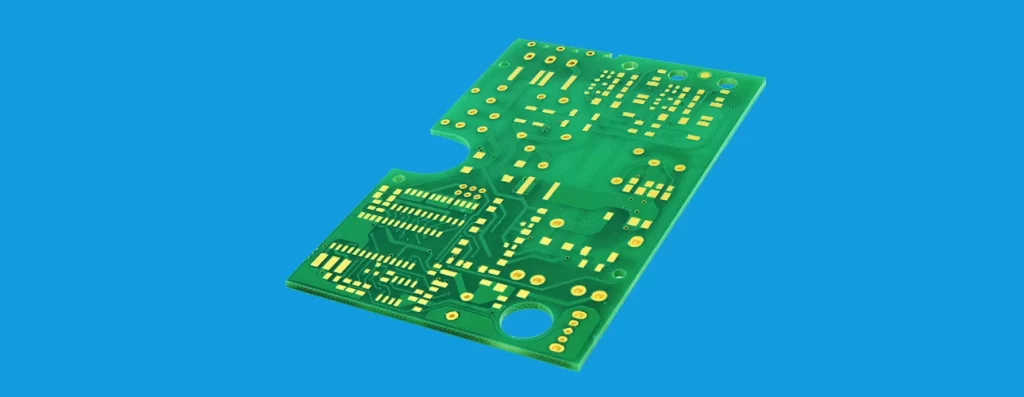
Learn what CTI means in PCB base materials, why it impacts electrical safety, and how to choose the right laminate for your design.