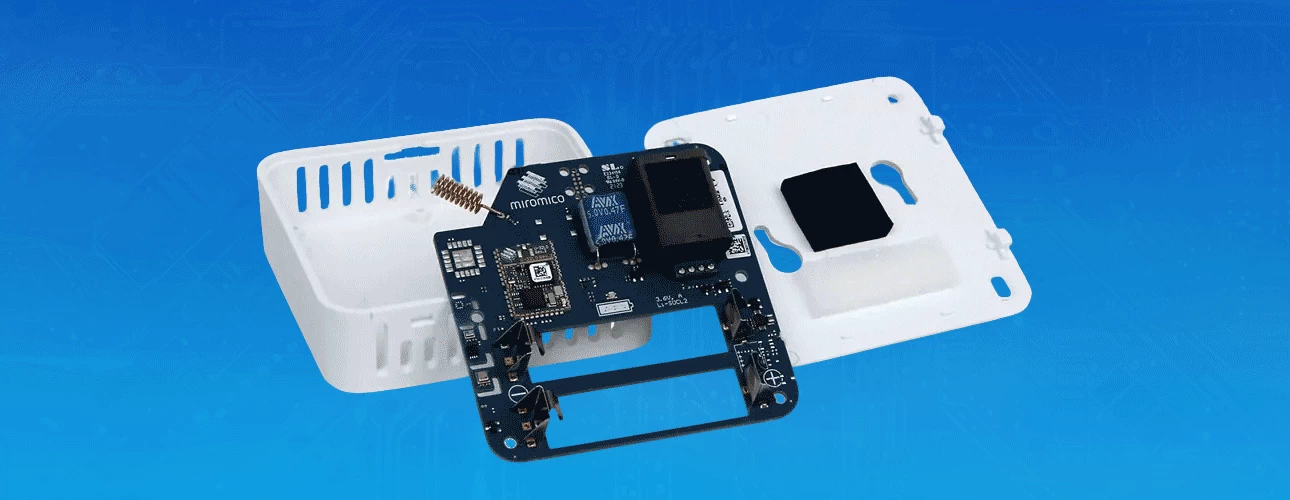
In the field of electronics manufacturing services, a provider offering end-to-end solutions—from plastic enclosure design to precision PCB assembly—optimizes production efficiency, ensures quality control, and enhances product performance. Therefore, if you are a startup or an electronics design company, finding a scalable and reliable electronics manufacturing services partner is both essential and critical.
In this blog, we’ll explore plastic injection molding—a key manufacturing process for producing durable, high-precision enclosures for electronic products.
Why is Plastic Injection Molding a Preferred Manufacturing Technique?
Plastic injection molding is a popular manufacturing technique used to create parts and products from thermoplastic and elastomeric materials. Unlike other methods, injection molding allows for complex shapes and detailed designs to be produced with repeatable precision.

As a result, plastic injection molding is the preferred manufacturing technique for many applications across a wide range of industries. Let’s take a closer look at what is injection molding and its applications.
What is Plastic Injection Molding?
Plastic injection molding is a high-precision manufacturing process where molten thermoplastic is injected under pressure into a custom-designed metal mold cavity. The material cools and solidifies, taking the shape of the mold to produce identical, high-tolerance parts—in this case, electronics enclosures, bezels, buttons, and other critical components.

The process is ideal for high-volume production runs, offering unparalleled consistency and efficiency once the initial mold is created.
It’s widely used across industries — but in electronics, it’s indispensable for producing:
- Device housings & enclosures
- Connector mounts
- Button panels & control interfaces
- Mounting frames for PCBs
- Waterproof/dustproof casings
The process allows for:
- High repeatability & consistency
- Complex geometries in a single part
- Mass production at low per-unit cost
- Wide choice of thermoplastic materials
Why Plastic Injection Molding Is Vital for Electronics Manufacturing
When designing electronics, especially those with PCBs at their core, the enclosure isn’t just a shell — it’s a functional component that affects:
- Thermal management
- Electromagnetic interference (EMI) shielding
- User interaction & ergonomics
- Protection against environmental factors (moisture, dust, shock)
Plastic injection molding enables all of the above — with precision and scalability unmatched by other methods like 3D printing or CNC machining (for high-volume production).
The Perfect Match: Plastic Injection Molding + PCB Integration
In full-scale electronics manufacturing, plastic enclosures and PCBs must be perfectly aligned — not just physically, but also in terms of:
- Mounting features
- Cutouts for connectors, buttons, displays
- Vents or seals for thermal or acoustic control
- Encapsulation or strain relief for wires
Injection-molded enclosures are designed concurrently with PCB layouts to ensure:
- Seamless assembly
- Minimal gaps or misalignments
- Optimized protection and usability
Common synergies include:
- Insert molding: Embedding metal inserts (like threaded nuts or connectors) directly into the plastic.
- Overmolding: Adding a soft-touch or protective layer over rigid parts.
- Multi-cavity molds: Producing multiple identical parts in one cycle for high-volume efficiency.
Materials Commonly Used in Electronics-Grade Injection Molding
Not all plastics are suitable for electronics. The most commonly used thermoplastics in electronics manufacturing include:
| Material | Properties | Common Uses |
| ABS (Acrylonitrile Butadiene Styrene) | Impact-resistant, easy to mold | Consumer electronics housings |
| PC (Polycarbonate) | High strength, heat-resistant | Protective covers, lenses |
| PBT (Polybutylene Terephthalate) | Flame-retardant, stable | Connectors, switches |
| Nylon (PA) | Durable, wear-resistan | Internal structural partst |
| PC/ABS Blends | Balanced strength & aesthetics | Enclosures for handheld devices |
These materials can be selected based on:
- Thermal requirements
- Flammability standards (e.g., UL94 V-0)
- Mechanical strength
Regulatory & environmental compliance
Advantages of Injection Molding in Full-Scale Electronics Production
When integrated into a full electronics manufacturing workflow, plastic injection molding delivers:
Cost Efficiency at Scale
Once the mold is created, each unit is produced at very low cost — ideal for mass production.
Design Flexibility
Complex shapes, textures, logos, and functional features can all be integrated into one part
High Precision & Repeatability
Tight tolerances ensure that every piece fits your PCB and other components perfectly.
Scalability
Works seamlessly from prototype tooling (e.g., aluminum molds) to production-grade steel molds for high volume
Integrated Manufacturing
Many electronics manufacturers offer in-house injection molding, enabling faster turnaround, better quality control, and smoother PCB-to-enclosure integration.
Applications Across Electronics Industries
Plastic injection-molded enclosures are used everywhere electronics are found:
| Industry | Example Products |
| Consumer Electronics | Remote controls, smart speakers, chargers |
| Medical Devices | Handheld diagnostic tools, monitoring devices |
| Automotive | Control modules, sensor housings |
| Industrial IoT | Rugged enclosures for gateways and panels |
| Telecom | Router and switch housings |
Each application demands reliability, durability, and often regulatory certification — all achievable through high-quality injection molding.
How to Choose the Right Injection Molding Partner for Electronics
When selecting a manufacturer for plastic enclosures in electronics, look for:
- Experience with electronics-grade plastics
- Capability for tight-tolerance, complex molds
- In-house tooling design and manufacturing
- Prototyping to production scalability
- Knowledge of EMI/thermal/structural requirements
- Vertical integration with PCB assembly (optional but valuable)
The best partners don’t just mold plastic — they understand how it works with your Printed Circuit Boards, your users, and your product goals.
Ready to Start Your Next Project?
From custom plastic enclosures to PCB integration and full product assembly — our injection molding solutions are designed to support your electronics from prototype to production.
Contact us to learn how we can bring your device to life — inside and out.