Copper Pour in PCB Design: Fill Empty Areas for Better Manufacturing

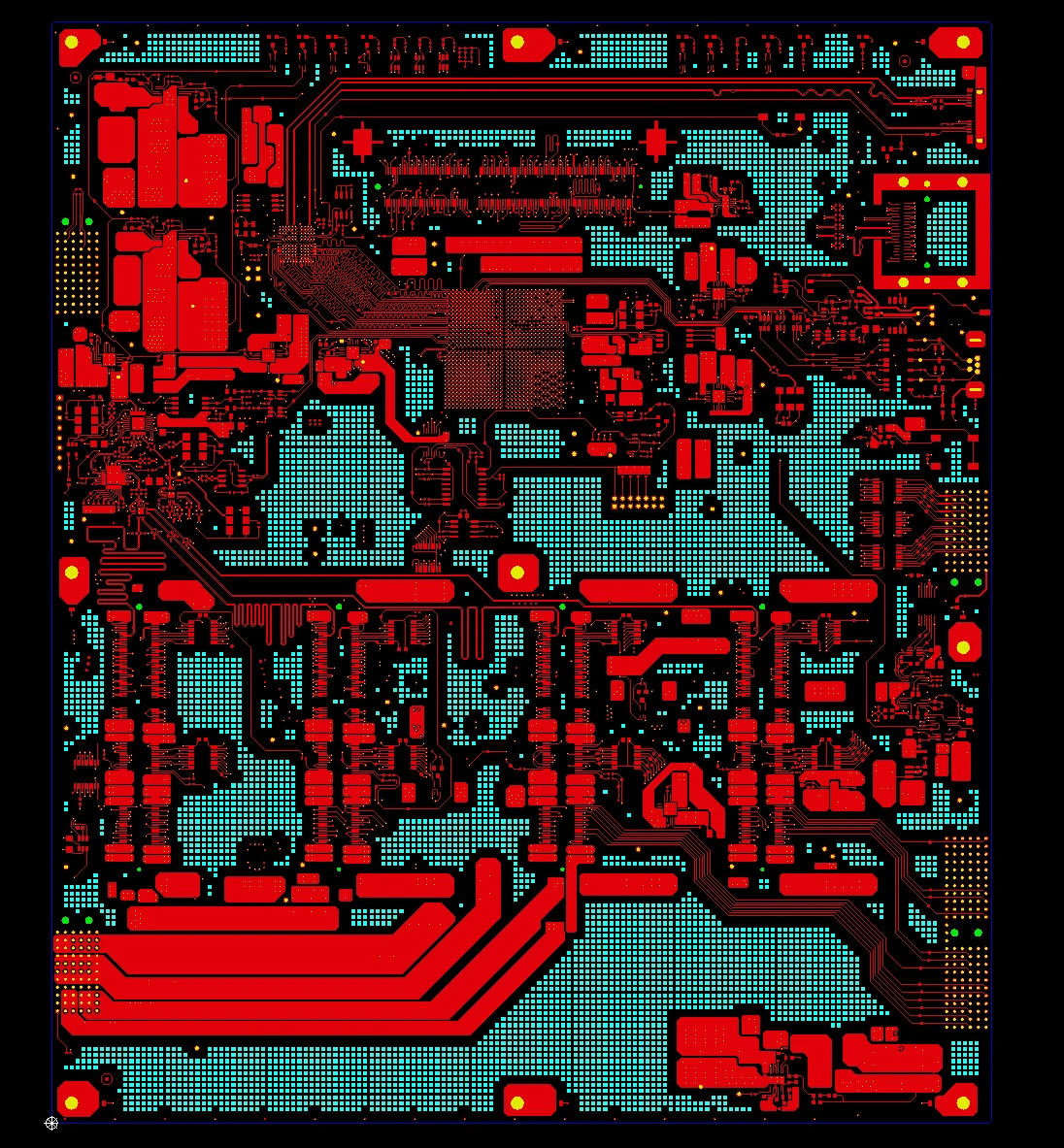
PCB design showing copper pouring in empty areas for improved signal integrity and heat dissipation

It’s common to see printed circuit board (PCB) designs with large unused, copper-free areas. Often, this stems from a lack of awareness of how these empty spaces can critically impact the PCB manufacturing process and the final product’s reliability. An excessive percentage of unused board area not only compromises performance but can also lead to premature failure, making the design susceptible to early damage.

This is precisely where the practice of PCB copper pouring becomes essential. As a fundamental step in the board production process, copper pouring involves filling these blank areas with a solid or hatched copper plane. While some novice designers might assume that using less copper reduces cost, this is a significant misconception. Although the immediate electroplating area may be smaller, the hidden costs of poor quality and reliability far outweigh the minimal material savings.

At the heart of quality-focused PCB manufacturing, strategic copper pouring is non-negotiable. It significantly enhances product quality by improving signal integrity, thermal management, and mechanical stability. By partnering with a manufacturer that prioritizes robust design-for-manufacturability (DFM) principles, you ensure that adequate copper pouring is implemented to boost your board’s performance and longevity.

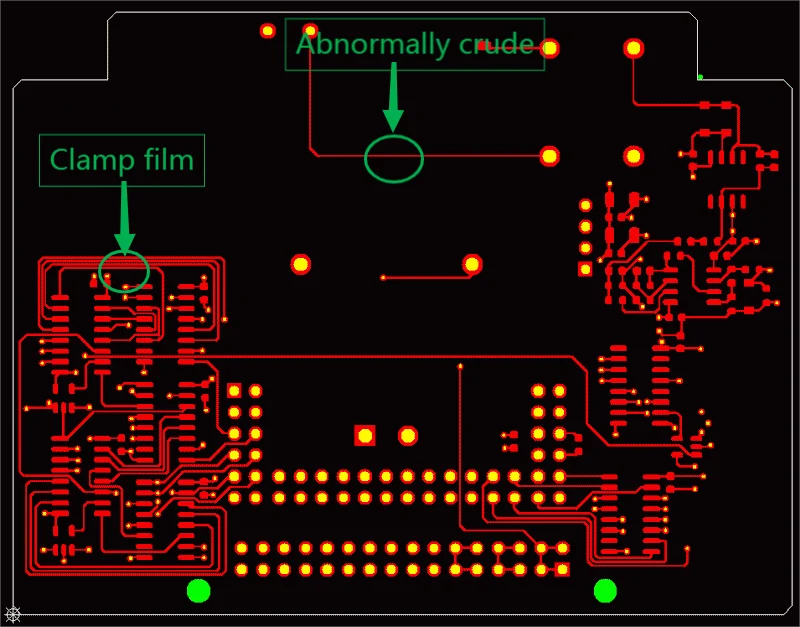
PCB Without Copper Pour and its Potential Risks
PCB without Copper Pour
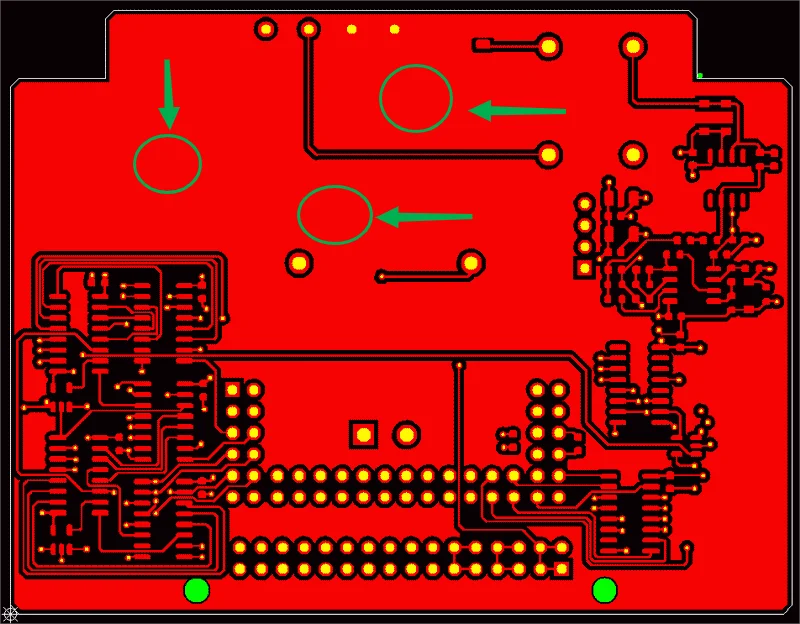
A clear example of a 4-layer PCB design showing an extensive ground plane copper pour on the top layer, illustrating proper isolation and thermal relief connections for component pads.
PCB with Copper Pour

What Happens When The Outer Layer Of A PCB Is Copper-Free?

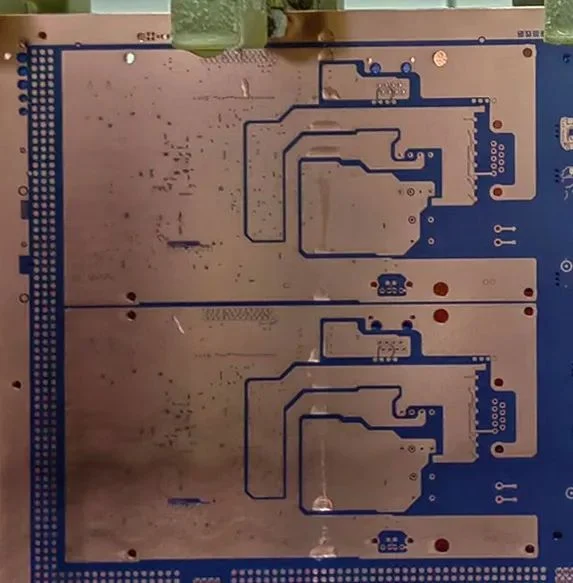
During the electroplating process, the PCB substrate is immersed in the plating bath. When an electrical current is applied, copper is deposited onto the exposed conductive areas not protected by the dry film resist (refer below fig 1).

01: Issue: Unpoured Copper Areas on PCB Outer Layers

This issue can affect a wide range of PCB types, including double-sided PCBs and multilayer boards (4 layers and above).

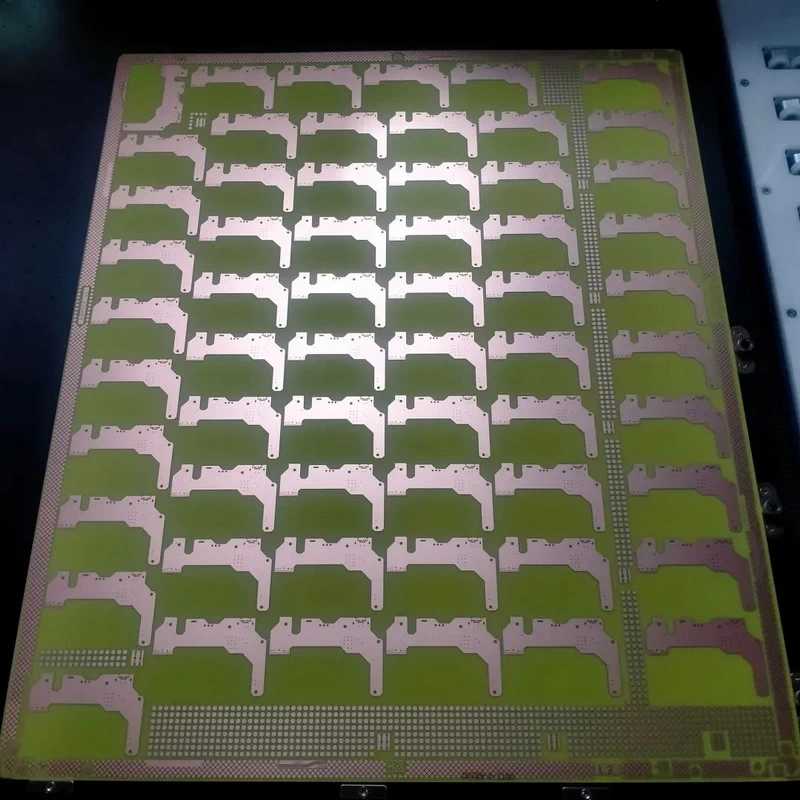
PCB panel before copper plating showing patterned dry film on base copper
Fig 1: PCB Pre-Plating Status

The exposed copper traces act as a substrate for electrodeposition. During plating, a controlled electrical current reduces copper ions from the solution onto these traces to increase their thickness and conductivity.

Illustration of the PCB pattern plating process showing copper deposition on exposed traces
Fig 2: PCB pattern plating process

During electroplating, the exposed copper acts as a cathode. A small, isolated trace presents a high-resistance path, leading to uneven current density. A large, continuous copper plane provides a low-resistance path, ensuring uniform current reception and consistent copper deposition, as shown in Figure 3.

Illustration of a large, solid plated copper plane on a printed circuit board for high current carry
Fig 3: Implementing large copper planes

Problem: Uneven copper area distribution creates plating hotspots. As illustrated in Figure 4, high current density on isolated traces can result in final thickness far exceeding specification (e.g., 2OZ instead of 1OZ).

Example of poor copper balance in PCB design leading to uneven electroplating thickness
Fig 4:PCB Plating Defects from Uneven Copper Distribution
Schematic diagram of the PCB copper electroplating process showing ion deposition
Figure 5: Schematic diagram of the PCB copper electroplating proces

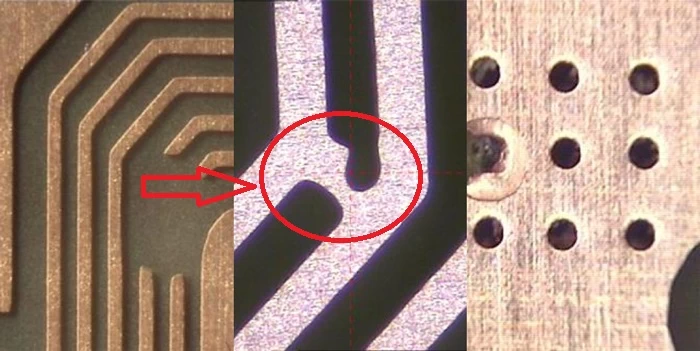
Excessively narrow trace gaps (e.g., 3-3.5 mil) can trap dry film resist during lamination. This prevents proper etching, leaving conductive copper residue in the gaps and creating a high risk of short circuits, as detailed in Figures 6 and 7.

Visual example of a short circuit caused by trapped resist in PCB etching process
Fig 6: PCB Short Circuits from Trapped Dry Film (Clamp Film
Microscopic cross-section of a PCB clamp film defect showing trapped resist causing a short between traces
Figure 7: Cross-sectional analysis showing a classic 'clamp film' defect.

Solution:

To ensure high manufacturing yield and product reliability, follow these key PCB design and layout rules: First, minimize isolated traces by incorporating copper pours wherever possible. Second, for any necessary isolated traces, maximize the spacing between them to prevent plating and etching defects.

PCB Design Best Practices: A Visual Case Study

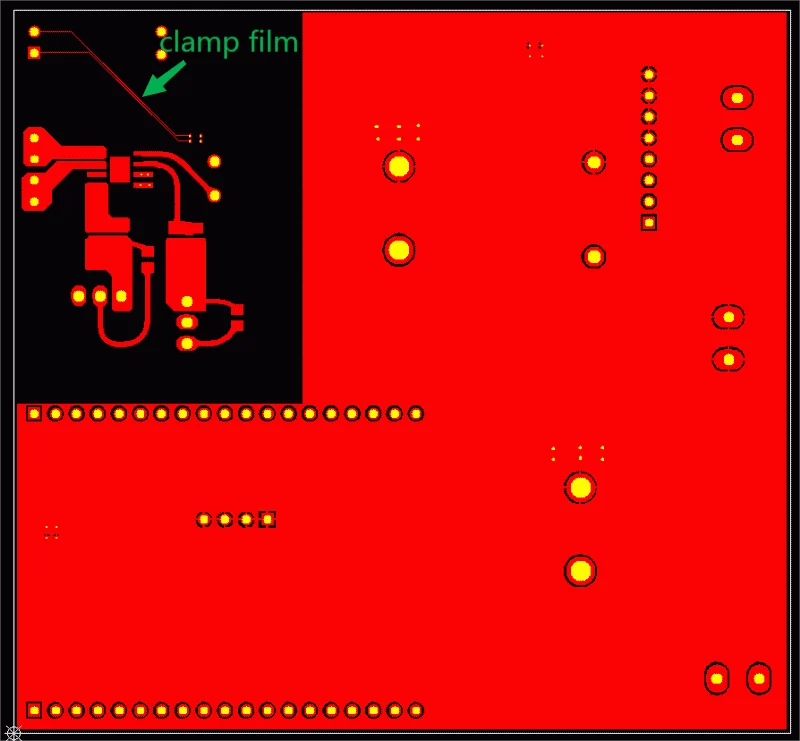
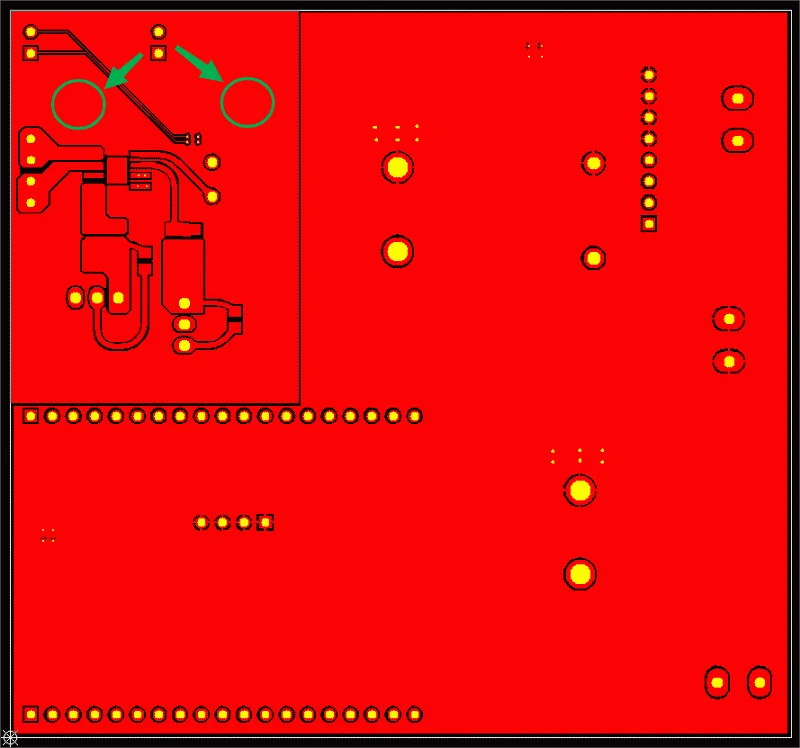
  1.  Pouring copper partly
Example of PCB manufacturing problems without copper pour showing uneven plating and warping
Before improvement
Illustration of PCB performance improvements from copper pour: better EMI shielding and heat dissipation
After improvement

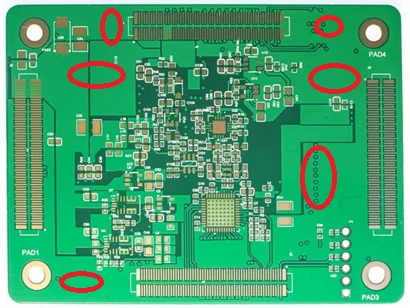
2.  Large area without pouring copper

Example of PCB issues from large unpoured copper areas: warping, EMI susceptibility, and poor heat dissipation
Before improvement
Example of optimized PCB layout with large copper pours enhancing power integrity and structural stability
After improvement

3. Pouring copper by dummy PAD

Visual comparison showing poor copper distribution in CAM design without dummy pads versus optimized result
Before improvement-No dummy PAD adding
PCB panel with dummy pads ensuring uniform copper plating distribution during manufacturing
After improvement-Dummy PAD adding

02 Issue: Unpoured Copper Areas on PCB Inner Layers

This issue primarily affects multilayer PCBs, particularly those with 4 layers or more.

The lamination process is fundamental to multilayer PCB integrity. Prepreg (PP) sheets are layered between cores and foil. When heat and pressure are applied, the PP’s resin melts, fulfilling the critical role of filling all empty spaces in copper-free areas. As it cools and solidifies, it creates a durable dielectric bond that mechanically and electrically unites the entire board stack-up.

Precision cutting of prepreg (PP) sheets for multilayer PCB lamination process
Multi-layer PCB prepreg cutting
PCB manufacturing inner core ready for lamination with prepreg and additional layers
PCB Inner Core: The Building Block of Multilayer Boards
Multilayer PCB stackup diagram showing inner cores, prepreg, and copper foil before lamination
Building a Multilayer PCB: The Stackup & Lamination Process

1. Excessively large copper-free areas on inner layers cause uncontrolled resin flow from the prepreg (PP). This can result in resin-starved regions, leading to severe quality defects including board thinning, copper foil wrinkling, measling (white spots), and delamination due to insufficient resin in critical areas.

Visual example of copper foil wrinkles on a printed circuit board cross-section
Wrinkled Copper Skin in Multilayer PCB Production
PCB manufacturing defect: white spots in substrate due to resin-glass fiber separation
PCB Measling (White Spots)

The case is as follows:

Visual comparison of PCB inner layer with and without copper pour optimization, highlighting reliability defects
Before improvement
Example of balanced copper distribution in multilayer PCB through inner layer copper pour optimization
After improvement

2. Insufficient copper backing behind the gold finger area leads to plating thickness issues, resulting in poor electrical contact with the mating connector.

Close-up of quality control technician verifying gold finger thickness on edge connector
PCB Gold Finger Thickness Measurement

For The Gold Finger Printed Circuit Board:

A solid copper pour is mandatory in the inner layer beneath gold fingers to provide a robust foundation, ensuring proper plating thickness and final board thickness control. Avoid stackups that specify a minimum finished thickness.

Strategically placing copper in inner layer open areas increases copper distribution, reduces resin-filled zones, and enhances lamination reliability and thickness tolerance. On outer layers, copper pouring balances plating current distribution, preventing issues like resist clamping and over-etching of thin traces to achieve uniform surface copper thickness.

03 Summary Of The Design Rules: Critical DFM Guidelines for Copper Pour in PCB Layout

1. Copper Fill & Clearance
• Minimize open areas in the design by filling unused spaces with solid copper.
• Maintain a minimum clearance of 0.5mm between copper pours and tracks, pads, and drill holes.
• Use solid copper pours instead of hatched patterns whenever possible.

2. High-Current & RF Considerations
• For 2 Oz copper designs, ensure a minimum spacing of 8 mils between all features (track-track, track-pad, pad-pad).
• When pouring copper near antenna areas, strictly follow the product design manual to prevent RF interference.

3. Gold Finger Structure
• All inner layers beneath gold fingers must have copper pour to prevent board thinning and ensure structural integrity.
• Avoid laminated structures that specify an excessively thin final board thickness.

Partner with a Professional PCB Manufacturer
As an industry-leading PCB manufacturer, we continuously advance our engineering and manufacturing capabilities to meet the latest high-technology requirements. Contact us anytime for a free project review and quote.

By Jason Zhu

A graduate in Automation Control, with 20+ years in PCB engineering, fabrication, assembly, and software/hardware testing. Handled projects for Fortune 500 companies such as IBM, Huawei, Samsung, Sony, Seagate, Schneider Electric and Toshiba, and brings extensive expertise in high-end electronics manufacturing.

Related Posts

Leave a Reply

Your email address will not be published. Required fields are marked *